In the CPG world, innovation wears a lot of hats. There’s big swings, smaller moves and a lot of magic in between.
Sometimes it looks like a breakthrough category launch. Other times it’s a surprising, interesting collaboration between two brands. Or it might be more incremental, like a new flavor from an old favorite.
But here’s the thing: there’s no one-size-fits-all definition of innovation. And that’s kinda the point.
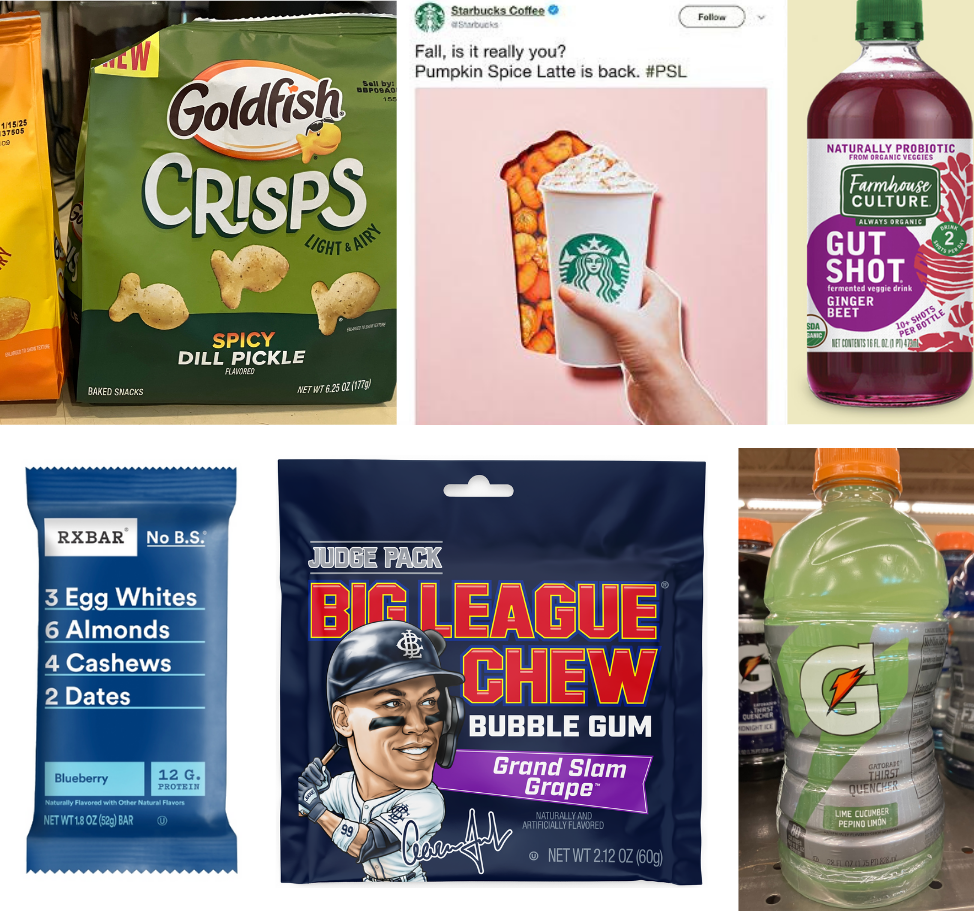
Innovation for the Big Dogs – Stretch, Flex, Extend
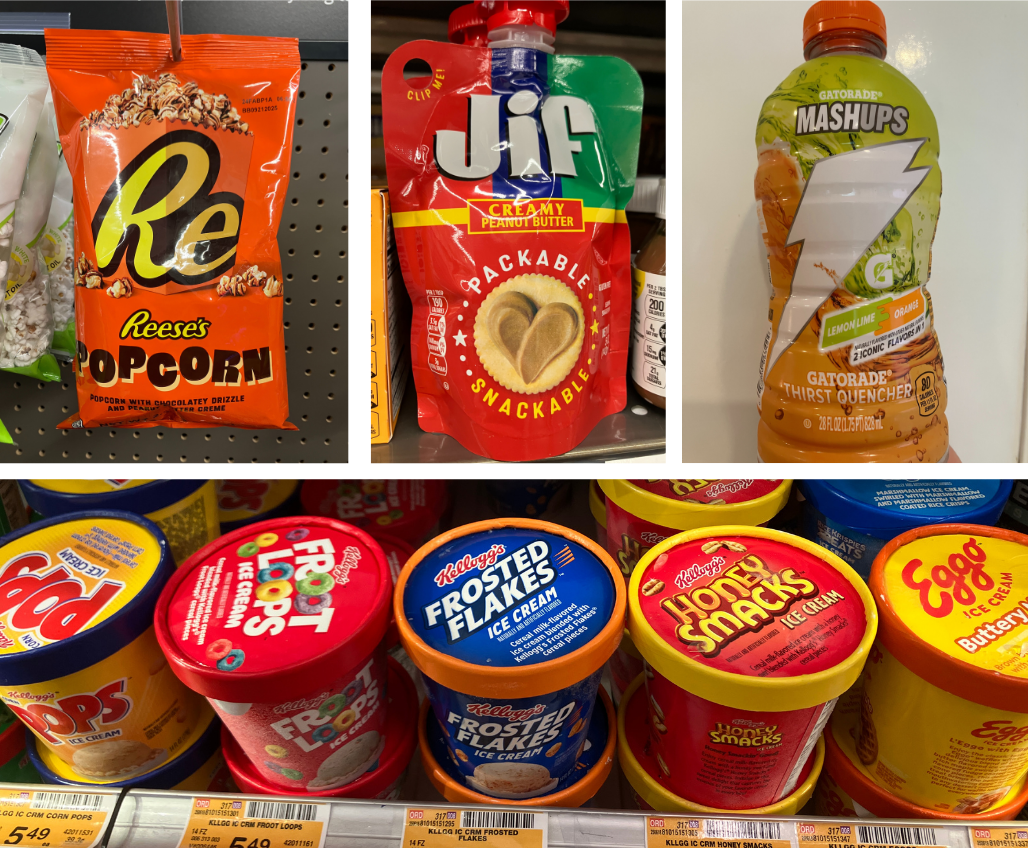
If you’re a household name, innovation might mean playing within the lines—but using neon markers. A smart line extension, a limited time offer (LTO), creative licensing, new product forms, tapping new usage occasions, some flavor escapism or a strategic acquisition.
Innovating isn’t always about revolution—it’s about rhythm. Staying top of mind. Making noise without shaking the foundation or risking consumer drift. It’s called incremental growth.
These aren’t just tactical plays—they’re signals. They tell retailers, investors, and loyal fans: We’re still here. We’re still listening. And we still know what you crave. It’s also a hello wave to new consumers.
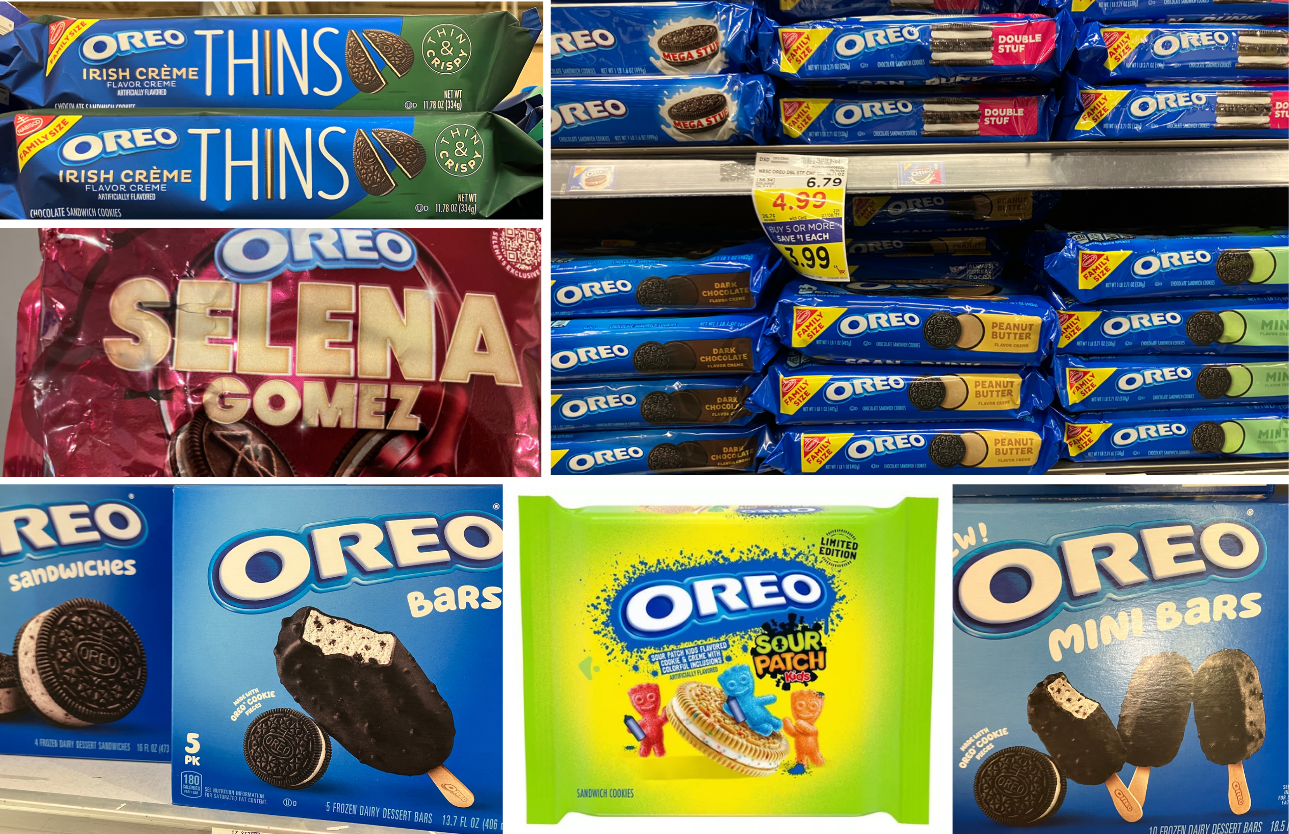
Big brands know & model success. They aim for sustainable growth, and target +20-30% revenue every 10 years, but it doesn’t happen by itself: they create and supply demand, ensuring commercialization.
Excitement and novelty from a trusted brand with a proven track record are strong drivers of predictable growth.
Innovation for the Bold & Scrappy: Jump Fences, Break Molds!
On the flip side: if you’re a smaller brand—or a startup still smelling like fresh paper and ambition—your version of innovation might look a little more… unruly. Riskier. More exciting, less conventional, problem-solving. The world doesn’t need more copycat brands, it needs “new”. New flavor combinations, alternative and better-for-you (BFY) ingredients or regional recipes are all opportunity spaces. Smaller brands that can find ways to commercialize healthier eating options, make convenience more sustainable, solve other socio-economic challenges, and be a symbol for the future are likely going to win attention (and sales).
It might mean stepping into a whole new aisle. Or doing a Retailer exclusive. Or introducing something so unexpected that buyers don’t even know where to shelve it yet.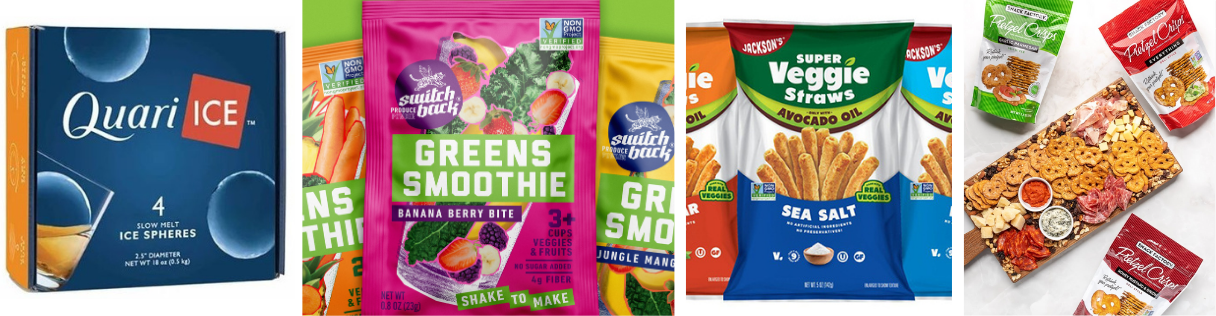
For smaller brands, innovation isn’t a quarterly tactic—it’s a lifeline. It’s how you punch above your weight. How you make your case. How you make your mark. It’s also how you might find additional distribution or alternate selling channels and opportunities! Creating the “new” is exciting, but the flip side is that it can become distracting for the business and dilute your brand’s meaning and equity.
It might mean exploring collaborations, licensing opportunities, alternate packaging materials/structures/configurations (e.g. variety packs), bolder flavor configurations, alternative (healthier) ingredients, or more ergonomically considered structures.
But if you innovate and scale properly, and in a way that strategically aligns with your brand’s goals, you might build a very healthy, sustainable business and/or become a strategic target acquisition.
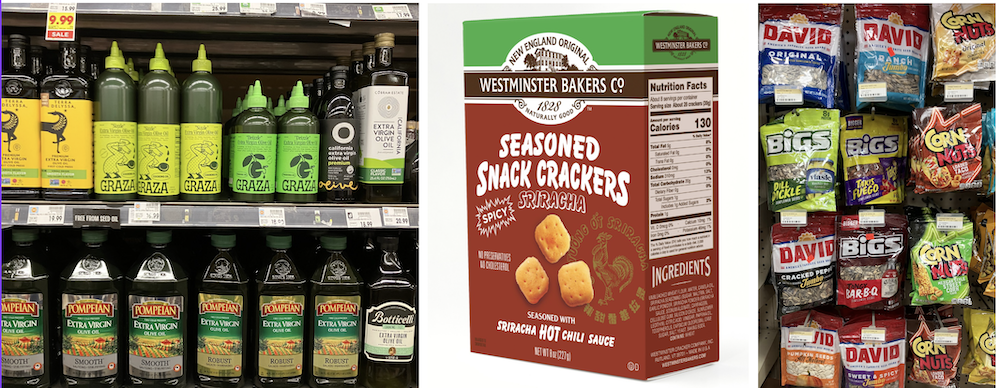
Truth is: everyone’s innovating.
Whether it’s a big-budget rollout or a bootstrapped experiment, everyone’s got their version of “new.” What matters is that it’s true to your brand, relevant to your consumer, and done with intent—not just for the press release.
Staying consumer-obsessed (sentiment, spending, motivations, need states, usage occasions, flavor preferences, influences, etc..) plus clearly understanding your operational abilities will help you make a more credible play for retail gains.
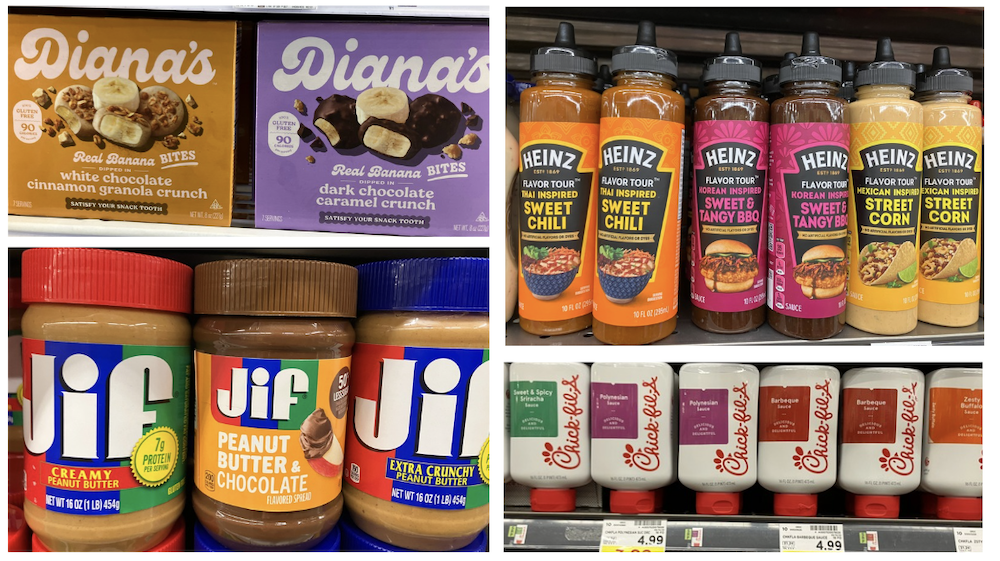
We’re lucky to work with both kinds of teams: the global giants and the bold newcomers. One of the common secrets among both? Packaging that helps consumers get it—fast. A brand that invites people in even when the idea is unfamiliar.
Innovation is not one thing or one idea, it’s an engine for growth. And it should be a regular part of your planning cycle.
Here’s to stretching, leaping, remixing, rethinking—and doing it in a way that works for you.
Let’s make the future more interesting.